Fold container house
What insulation options are available for a fold container house? This is an important consideration for anyone planning to live in or use a fold container house, as insulation directly impacts comfort, energy efficiency, and overall livability. Fold container houses are designed to be portable and modular, but without proper insulation, they can quickly become too hot in the summer or too cold in the winter. Fortunately, there are multiple insulation options that can be customized depending on climate, budget, and personal requirements.
One of the most common insulation options for a fold container house is spray foam insulation. Spray foam is applied directly to the interior surfaces of the container and expands to fill every nook and cranny. This type of insulation provides excellent thermal performance, effectively preventing heat loss in colder climates and keeping the interior cool in warmer conditions. Additionally, spray foam creates an airtight barrier, which can reduce drafts and improve energy efficiency, making it a popular choice for fold container houses used in off-grid or energy-conscious setups.
Another effective insulation option for a fold container house is rigid foam board insulation. These panels are installed along walls, ceilings, and floors, providing a durable and high-performing thermal barrier. Rigid foam boards are available in different thicknesses and materials, including expanded polystyrene (EPS) and extruded polystyrene (XPS), allowing homeowners to choose the right balance of insulation value and space efficiency. Unlike spray foam, rigid foam panels can also be easier to remove or replace if modifications are needed, making them suitable for fold container houses that may undergo design changes over time.
Mineral wool, also known as rock wool or stone wool, is another popular choice for insulating a Fold Container House. Mineral wool is made from natural rocks or recycled materials and is known for its excellent fire resistance, soundproofing qualities, and thermal performance. It can be installed within wall cavities or as loose-fill insulation, providing flexibility depending on the structure of the fold container house. Mineral wool is particularly beneficial in climates with extreme temperature fluctuations or in locations where noise reduction is a priority, as it effectively dampens sound while maintaining comfort inside the house.
Fiberglass insulation remains a widely used option for fold container houses due to its affordability and accessibility. Fiberglass comes in batts or rolls and can be installed within wall cavities, floors, and ceilings. While it may not provide the same air-sealing properties as spray foam, fiberglass insulation is highly effective in reducing heat transfer and maintaining a comfortable indoor temperature. Additionally, fiberglass is resistant to moisture and pests when properly installed, which is crucial for maintaining the integrity of a fold container house over time.
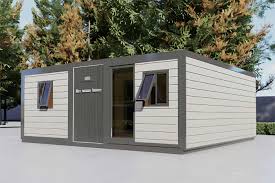
What insulation options are available for a fold container house?
Reflective or radiant barrier insulation is another option that can complement other types of insulation in a fold container house. This type of insulation works by reflecting heat away from the interior rather than absorbing it, making it particularly useful in hot climates. Radiant barriers can be installed in roofs or walls to reduce heat gain, helping to maintain cooler indoor temperatures without relying heavily on air conditioning. Combining reflective insulation with spray foam, rigid foam, or mineral wool can create a comprehensive insulation system that addresses both heat retention and heat reflection.
Natural and eco-friendly insulation options are also gaining popularity in fold container houses. Materials such as sheep’s wool, cellulose, or cork offer sustainable alternatives to synthetic products. These materials provide effective thermal and acoustic insulation while minimizing environmental impact. Sheep’s wool, for example, naturally regulates humidity and absorbs toxins, making it a healthy choice for indoor living. Eco-friendly insulation is particularly appealing to those looking to integrate sustainable practices into their fold container house design.
Proper installation and sealing are as important as the type of insulation chosen. Even the best insulation options can underperform if there are gaps, leaks, or improper installation techniques. In a fold container house, attention must be given to seams, joints, and areas around windows and doors to prevent thermal bridging. Professional installation or careful DIY application can ensure that the insulation functions effectively, enhancing comfort and energy efficiency throughout the year.
In conclusion, the question “What insulation options are available for a fold container house?” can be answered with a wide range of solutions tailored to different needs, climates, and budgets. Spray foam, rigid foam boards, mineral wool, fiberglass, reflective barriers, and natural materials all offer unique benefits and can be combined for maximum efficiency. Proper installation is critical to ensure the insulation performs as intended, protecting the interior from temperature extremes and enhancing energy efficiency. For anyone considering a fold container house, selecting the right insulation is a crucial step toward creating a comfortable, durable, and sustainable living space that can adapt to various environmental conditions.